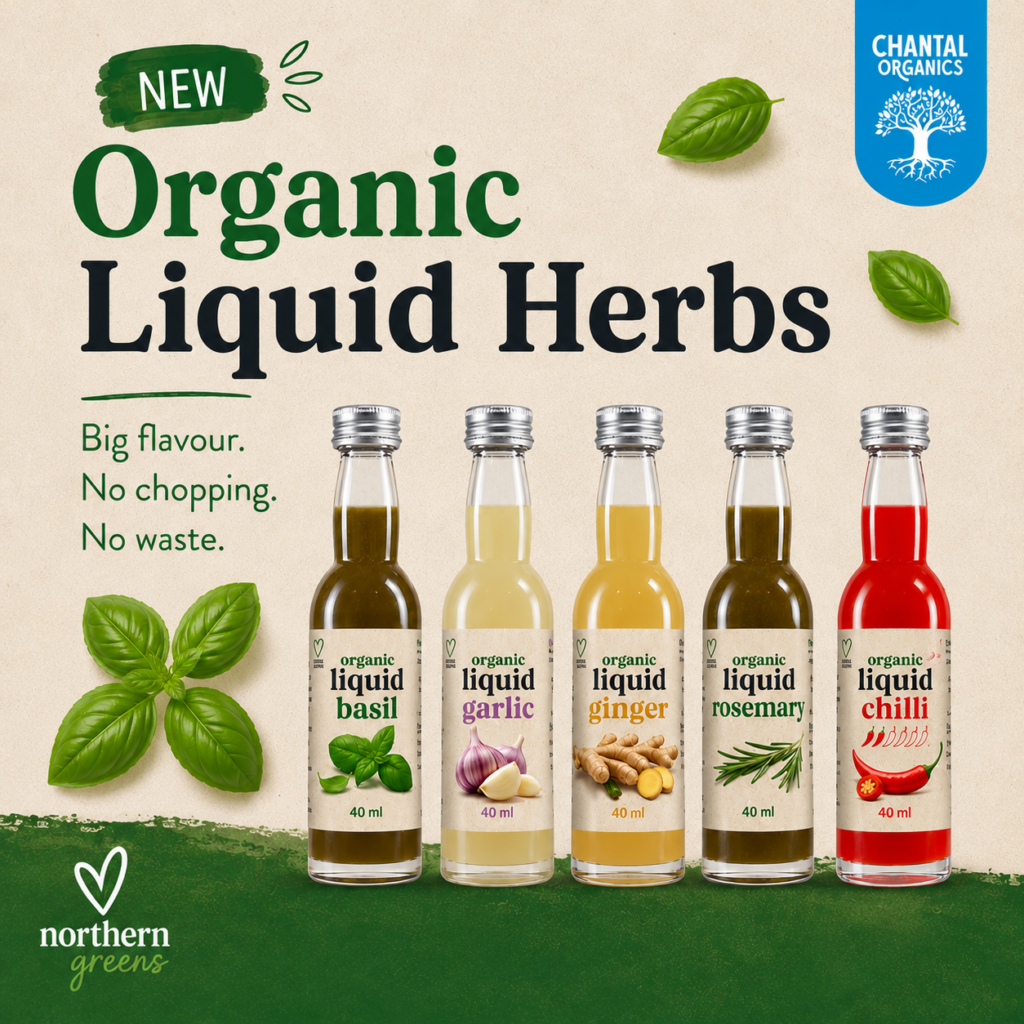
Discover the Liquid Herb range – your new secret to fresh herb flavour all year round.
Liquid Herbs bring together the convenience of dried herbs with the vibrant, just‑picked taste of fresh herbs. Simply splash into everyday cooking, sauces, dressings, marinades and more.
What are Liquid Herbs?
Liquid Herbs are a clever, convenient way to enjoy fresh herb flavour any time of the year. They’re made from certified organic herbs that are gently chopped and blended with organic vinegar and sea salt—nothing else. This simple combination creates a shelf‑stable product that behaves like dried herbs but tastes beautifully fresh.

What Makes Liquid Herbs Different?
Liquid Herbs stand out for their simplicity. Each bottle contains a clean, minimal ingredient list and a naturally long shelf life. Thanks to the vinegar, they can be stored in your pantry, spice rack, or fridge—even after opening.
They’re also:
- Vegan
- Lactose free
- Oil free
- Gluten free
If you’ve ever bought a pot of fresh herbs only to watch it wilt before you’ve used it all, you’ll appreciate the brilliance of Liquid Herbs. They offer fresh flavour without waste—no sad pots, no forgotten bunches in the fridge, no chopping, no mess.
The Benefits of Liquid Herbs
This little bottle of herbs is big on flavour. Here’s why people love them:
- Fresh herbs flavour all year
- Convenience with no chopping or mess
- Reduce herb waste in the kitchen
- Pantry-friendly storage – even after opening
- Simple & clean ingredients
- Certified organic
- 24-month shelf life – even after opening
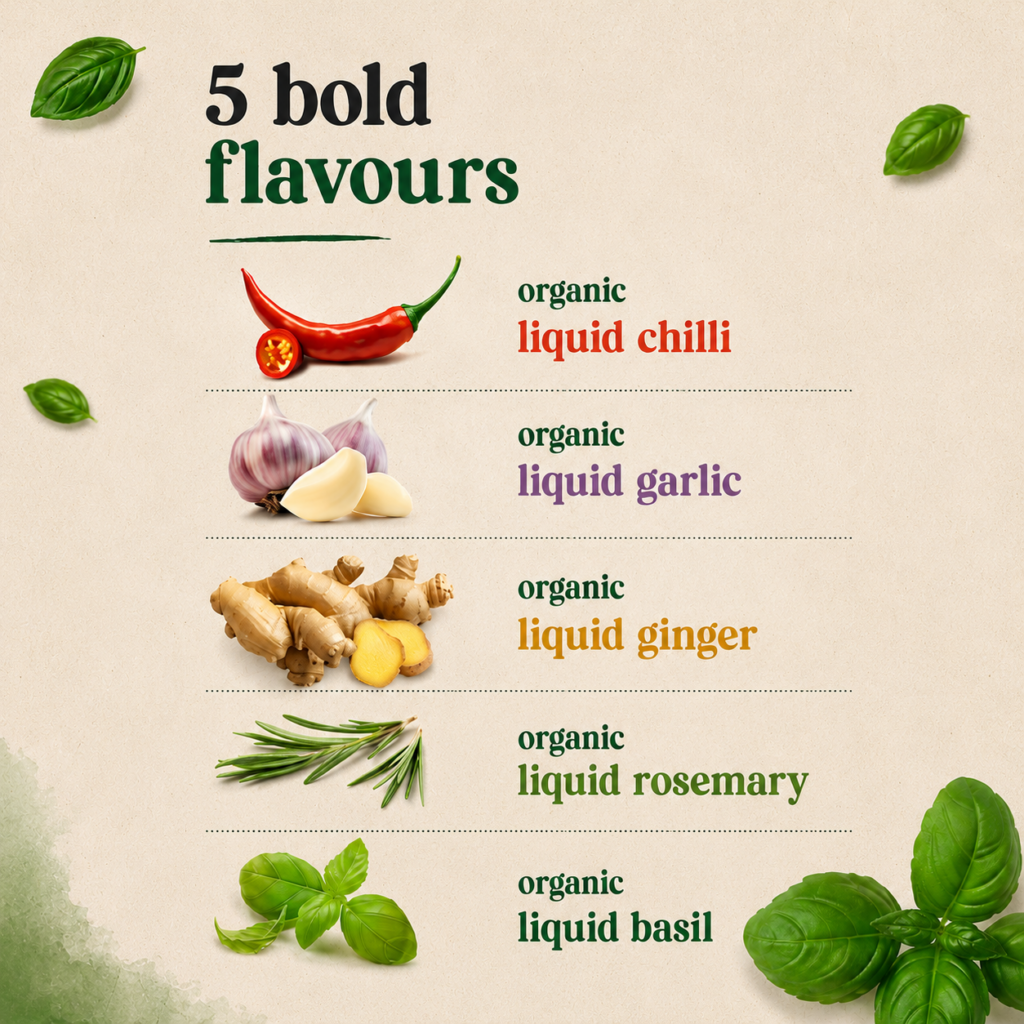
Five Bold Flavours
The range includes five versatile flavours, available in 40ml glass jars:
How to use Liquid Herbs
Liquid Herbs are wonderfully easy to use. Each bottle includes simple proportions to help you swap them in for fresh herbs. Adjust to taste—your cooking, your rules.
- Liquid Ginger: 1 tsp = 1 tsp fresh ginger
- Liquid Garlic: 1 tsp = 1 garlic clove
- Liquid Chilli: 1 tsp for medium heat, 1 Tbsp for hot
- Liquid Rosemary: 1 tsp per portion
- Liquid Basil: 1 tsp per portion
Perfect for marinades, dressings, stir‑fries, pasta, soups and more.


Get Cooking with these Delicious Recipes
Once you start using Liquid Herbs, you’ll find yourself adding them to everything. Try one of these flavour‑packed recipes to get started:
- Rustic Potato & Herb Pizza
- Asian Coconut Curry Noodles
- Crunchy Asian Slaw with Sesame‑Chili Dressing
- Hearty Spaghetti Bolognese
- Garlic & Rosemary Marinade
- Zesty Homemade Chilli Mayo
A slow‑simmered, savoury bolognese that rewards the extra time with exceptional flavour. The Liquid Herbs bring a fragrant richness that makes this sauce stand out. Cooking for the whole family? Simply double the batch and enjoy generous, hearty servings.
Discover how choosing organic supports thriving ecosystems, healthier soils, and a more resilient future for everyone.
Organic farming isn’t just a trend — it’s a science‑backed, future‑focused approach that prioritizes soil health, clean waterways, biodiversity, and long‑term resilience — all essential for a thriving future for people and planet.
As climate pressures intensify and global biodiversity declines, the way we grow food has never mattered more. Below are five powerful reasons why choosing organic food supports a sustainable world.
1. Organic Farming Builds Healthier Soil
Healthy soil is the foundation of life. In organic systems, soil is treated as a living ecosystem — rich in microbes, fungi, and organic matter that support plant health and resilience.

Healthy soil:
- Holds more water, reducing runoff and erosion
- Supports natural disease and pest resistance
- Stores more nutrients, improving crop quality
- Sequesters carbon, helping mitigate climate change
Conventional farming practices such as synthetic nitrogen fertiliser, monocropping, and frequent tillage degrade soil structure and deplete organic carbon. This is alarming when you consider that 20–30% of current greenhouse gas emissions are linked to soil loss.
A 2019 UN report warned that if current practices continue, the world may have only 60 years of farmable topsoil left. Some researchers believe the tipping point could come even sooner. Organic farming reverses this trend by rebuilding soil rather than exhausting it.
2. Organics Protect Waterways
When soil is healthy, it acts like a sponge — absorbing rainfall and filtering water naturally. Depleted soil, however, becomes hydrophobic and prone to runoff.
Runoff from conventional farms often carries
- Synthetic fertilisers
- Pesticides
- Herbicides
- Sediment
These pollutants flow into rivers, lakes, and oceans, harming aquatic life and contaminating drinking water. Organic farming eliminates synthetic chemicals and increases soil organic matter, dramatically reducing the risk of water pollution. Supporting organic agriculture means supporting clean, safe water for us all.
3. Organics Help Fight Climate Change
Soil is one of the planet’s most powerful carbon sinks — storing more carbon than the atmosphere and all plant life combined.
Organic farming enhances this natural carbon‑storage system through:
- Crop rotations
- Composting
- Planting nitrogen‑fixing legumes
- Minimising soil disturbance
- Increasing perennial plantings
These practices help pull carbon from the atmosphere and lock it safely underground. In a warming world, this is one of the most effective climate solutions available.
Healthy soil = lower emissions + greater resilience.
4. Organic Systems Can Produce Stronger Yields
There’s a common misconception that organic farming produces lower yields. However, long‑term research tells a different story.
The Rodale Institute’s 40‑year Farming Systems Trial found that organic crops:
- Match conventional yields in normal years
- Produce 24–34% higher yields during drought
- Use less energy
- Build soil fertility over time
Organic systems are more resilient because they rely on biodiversity and soil health rather than chemical inputs. As extreme weather becomes more common, resilience matters.

5. Organics Support a Sustainable Future for Aotearoa New Zealand
New Zealand stands at a pivotal moment. To protect our land, waterways, and communities, food production must evolve.
Organics Aotearoa New Zealand (OANZ) is leading this shift. Their mission is to nurture the environment, support farmer wellbeing, and ensure New Zealanders have access to food grown without harmful chemicals.
Their work is guided by four principles:
- Health
- Ecology
- Fairness
- Care
These principles underpin the New Zealand Organic Sector Strategy, which outlines a pathway for scaling organic production nationwide.
Is organic food worth the price?

Organic food often costs more — and for good reason. Organic farmers invest in:
- Labour‑intensive soil‑building practices
- Natural pest management
- Crop diversity
- Certification processes
When we look only at the supermarket price, organic food can seem expensive. But when we consider the true cost of food — including environmental damage, soil loss, water pollution, and long‑term health impacts — organic food often reflects the real price of sustainable production.
The question becomes:
What kind of food system do we want to support?
If you’re looking to incorporate more organics without stretching your budget, explore our guide: 7 Simple Steps to Going Organic.
White rice flour is a versatile pantry staple for home baking. Chantal Organics White Rice Flour is made from organic white rice, has a subtle flavour and a fine, light texture. It’s best used in combination with other flours. Use it to make noodles and cakes, as a coating or to thicken soups, sauces and gravies.
Nourishing, everyday pantry ingredients to support immune wellness and seasonal recovery.
Home remedies are an affordable and effective way to support wellness during cold and flu season. By choosing nutrient-dense foods, you can support your immune system through your daily diet. When the first signs of a cold appear, these simple remedies offer accessible, affordable and natural support.
1.Vitamin C
Vitamin C is often the first go-to when feeling under the weather to support the immune system. Winter fruits such as kiwifruit, lemons, mandarins and oranges are great sources of Vitamin C. Think preventative and include these in your daily diet to stay healthy.
Don’t overlook your veggies either—just one cup of broccoli provides an impressive 81 mg of Vitamin C.
2. Apple cider vinegar
Apple cider vinegar has been used for centuries in traditional remedies for its naturally occurring acids and probiotics. Made from fermented apples, it’s often included in wellness routines during colder months, particularly for throat comfort and digestive support.
A simple way to use it is to mix one teaspoon of ACV with warm water and honey and sip slowly or dilute it with water as a gentle gargle.
3. Chickpeas for Zinc
Zinc is an essential nutrient involved in normal immune system function and plays a role during cold and flu season. Chickpeas are a convenient pantry source of zinc, providing around 25% of the recommended daily intake in one cooked cup.
They’re easy to include in everyday meals and snacks—roast them for a crunchy option, blend into hummus, or add to curries, soups, and salads.
4. Make Your Own Pantry Health Shots
Health shots have become a popular, convenient way to get a boost of nutrients quickly. Make your own health shots with this easy recipe using apple cider vinegar and chia seeds as a base. Then choose from three flavours: Citrus Kick, Green Machine, or Berry Boost.
5. Epsom Salt Soaking
Epsom salts are a mineral compound of magnesium and sulphate, commonly used in warm bath soaks. During cold and flu season, a warm Epsom salt bath can be a simple way to slow down, relax the body, and support rest when feeling run‑down.
To use, add two cups of Epsom salts to warm, running bath water and soak for around 20 minutes. A foot soak is a quick and easier option.
6. Almonds as a Source of Vitamin E
Snack on almonds a plant‑based source of protein and fibre, a pantry staple that provides vitamin E, a nutrient involved in normal immune system function. Enjoy almonds as a snack in between meals, sprinkle them over breakfast, or add almond butter to smoothies, toast, or porridge.
7. Spice it up
Garlic, turmeric, and cinnamon are pantry spices often used in Ayurvedic traditions for their warming qualities during colder months. Turmeric contains curcumin, a natural compound that helps support the body’s inflammatory response and overall wellbeing.
Enjoy turmeric in meals or as a warm drink by heating milk and adding ½ teaspoon turmeric and a pinch of pepper. Sweeten with honey if desired.
8. Lemon & Ginger
Lemons provide vitamin C to support immune function, while ginger has antiviral, antibacterial, and warming properties that help fight infections and relieve sore throats. Together they are a tasty and warming combination during cooler months. Fresh slices, juice, or ground ginger can be added to hot water or concentrated health shots.
9. Herbal Teas
Keep your fluid intake up in the cooler months with a hot cup of herbal tea. Soothe a tickly throat by adding a spoonful of raw honey, lemon or ginger. Start your morning with green tea, it’s high in polyphenols, an antioxidant compound and amino acid L-theanine, both which support the immune system.
Simple pantry staples can be a practical and affordable way to support prevention, recovery, and nourishment during cold and flu season. Building meals and routines around familiar, everyday ingredients makes it easier to care for yourself and your family when feeling under the weather.