June 4, 2026
Discover how choosing organic supports thriving ecosystems, healthier soils, and a more resilient future for everyone.
Organic farming isn’t just a trend — it’s a science‑backed, future‑focused approach that prioritizes soil health, clean waterways, biodiversity, and long‑term resilience — all essential for a thriving future for people and planet.
As climate pressures intensify and global biodiversity declines, the way we grow food has never mattered more. Below are five powerful reasons why choosing organic food supports a sustainable world.
1. Organic Farming Builds Healthier Soil
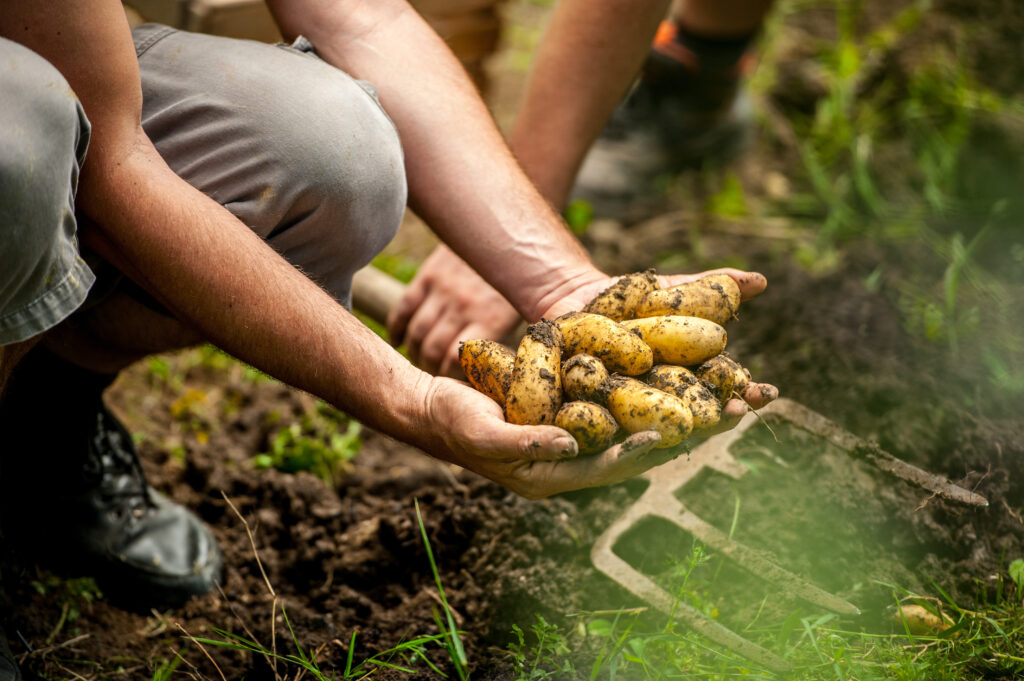
Healthy soil is the foundation of life. In organic systems, soil is treated as a living ecosystem — rich in microbes, fungi, and organic matter that support plant health and resilience.
Healthy soil:
- Holds more water, reducing runoff and erosion
- Supports natural disease and pest resistance
- Stores more nutrients, improving crop quality
- Sequesters carbon, helping mitigate climate change
Conventional farming practices such as synthetic nitrogen fertiliser, monocropping, and frequent tillage degrade soil structure and deplete organic carbon. This is alarming when you consider that 20–30% of current greenhouse gas emissions are linked to soil loss.
A 2019 UN report warned that if current practices continue, the world may have only 60 years of farmable topsoil left. Some researchers believe the tipping point could come even sooner. Organic farming reverses this trend by rebuilding soil rather than exhausting it.
2. Organics Protect Waterways
When soil is healthy, it acts like a sponge — absorbing rainfall and filtering water naturally. Depleted soil, however, becomes hydrophobic and prone to runoff.
Runoff from conventional farms often carries
- Synthetic fertilisers
- Pesticides
- Herbicides
- Sediment
These pollutants flow into rivers, lakes, and oceans, harming aquatic life and contaminating drinking water. Organic farming eliminates synthetic chemicals and increases soil organic matter, dramatically reducing the risk of water pollution. Supporting organic agriculture means supporting clean, safe water for us all.
3. Organics Help Fight Climate Change
Soil is one of the planet’s most powerful carbon sinks — storing more carbon than the atmosphere and all plant life combined.
Organic farming enhances this natural carbon‑storage system through:
- Crop rotations
- Composting
- Planting nitrogen‑fixing legumes
- Minimising soil disturbance
- Increasing perennial plantings
These practices help pull carbon from the atmosphere and lock it safely underground. In a warming world, this is one of the most effective climate solutions available.
Healthy soil = lower emissions + greater resilience.
4. Organic Systems Can Produce Stronger Yields
There’s a common misconception that organic farming produces lower yields. However, long‑term research tells a different story.
The Rodale Institute’s 40‑year Farming Systems Trial found that organic crops:
- Match conventional yields in normal years
- Produce 24–34% higher yields during drought
- Use less energy
- Build soil fertility over time
Organic systems are more resilient because they rely on biodiversity and soil health rather than chemical inputs. As extreme weather becomes more common, resilience matters.
5. Organics Support a Sustainable Future for Aotearoa New Zealand
New Zealand stands at a pivotal moment. To protect our land, waterways, and communities, food production must evolve.
Organics Aotearoa New Zealand (OANZ) is leading this shift. Their mission is to nurture the environment, support farmer wellbeing, and ensure New Zealanders have access to food grown without harmful chemicals.
Their work is guided by four principles:
- Health
- Ecology
- Fairness
- Care
These principles underpin the New Zealand Organic Sector Strategy, which outlines a pathway for scaling organic production nationwide.
Is organic food worth the price?

Organic food often costs more — and for good reason. Organic farmers invest in:
- Labour‑intensive soil‑building practices
- Natural pest management
- Crop diversity
- Certification processes
When we look only at the supermarket price, organic food can seem expensive. But when we consider the true cost of food — including environmental damage, soil loss, water pollution, and long‑term health impacts — organic food often reflects the real price of sustainable production.
The question becomes:
What kind of food system do we want to support?
If you’re looking to incorporate more organics without stretching your budget, explore our guide: 7 Simple Steps to Going Organic.
PRODUCTS MENTIONED

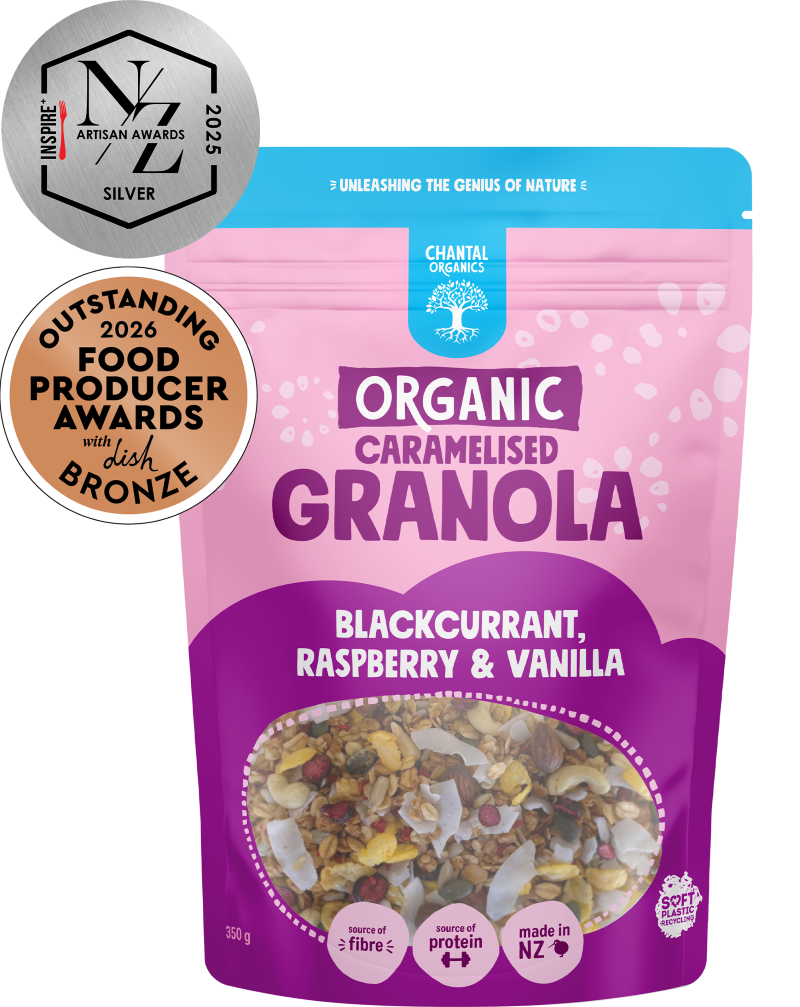
Blackcurrant, Raspberry & Vanilla Granola

Banana & Cinnamon Probiotic Easy Oats

Korean Style Kimchi Couscous & Rice Easy Bowl
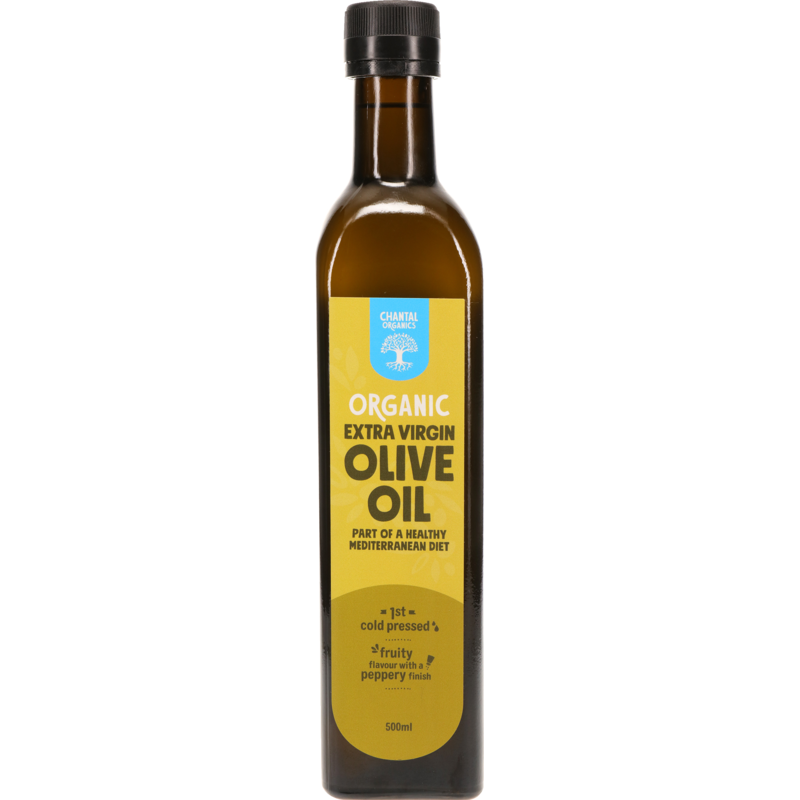
Extra Virgin Olive Oil